


Frankenstein Ending Explained: A Deep Dive into Netflix’s Modern Monster Tale
Netflix’s Frankenstein is more than just another adaptation of Mary Shelley’s 1818 gothic masterpiece — it’s a reimagined meditation on humanity, guilt, and the limits of scientific ambition. The film brings Shelley’s themes into the 21st century, combining emotional storytelling with striking visuals and moral introspection. But the ending? It leaves audiences stunned and reflective. Let’s unpack the meaning, symbolism, and lessons behind Netflix’s haunting finale.
The Rebirth of a Classic
Why Another Frankenstein Adaptation?
We’ve seen countless versions of Frankenstein, from Boris Karloff’s 1931 monster to modern reinterpretations. Yet Netflix’s version aims higher — it humanizes both creator and creation, exploring not just horror, but heartbreak.
Setting the Tone
Unlike past adaptations set in Gothic Europe, Netflix’s Frankenstein unfolds in a world closer to our own — laboratories, technology, and digital ethics define its landscape. It’s a chilling reflection of how far we’ve come in playing God.
Understanding Victor Frankenstein
The Flawed Genius
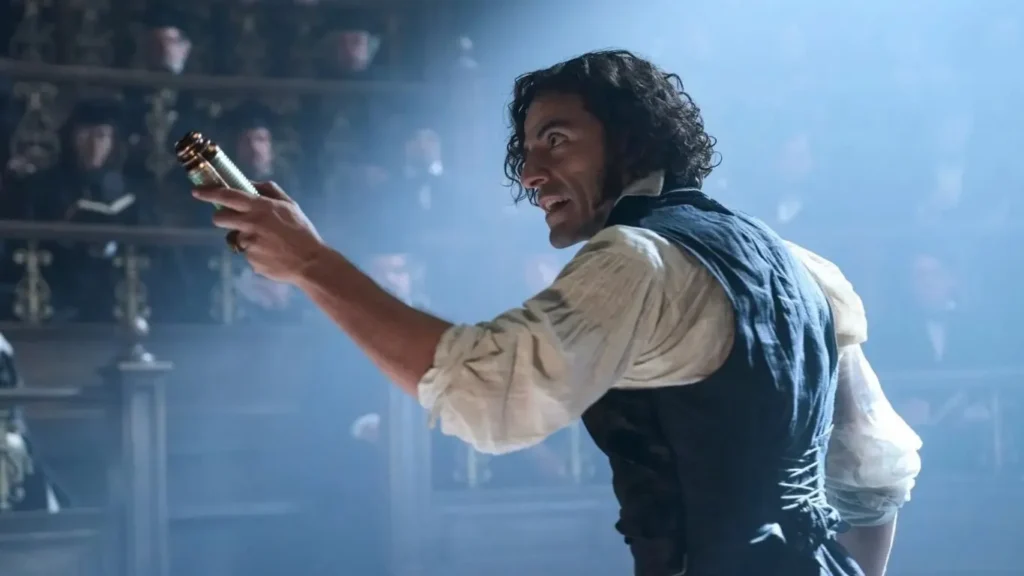
Victor Frankenstein is not a mad scientist caricature here — he’s an obsessive genius, consumed by the desire to conquer death. His motivations are deeply personal, driven by grief and guilt rather than mere ambition.
The Cost of Creation
Victor’s experiment, intended to heal loss, only multiplies it. Netflix cleverly paints his journey as a metaphor for human arrogance — our relentless quest to control life without understanding its sacredness.
The Creature: Monster or Mirror?
The Birth of the Creature
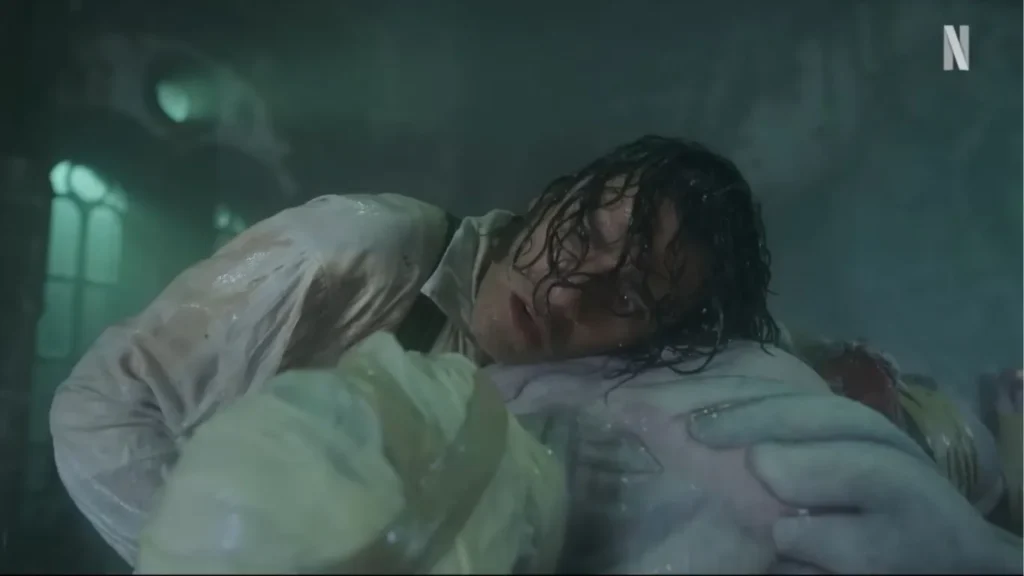
The “monster” in Netflix’s version is anything but one-dimensional. His awakening is painful, raw, and heartbreaking — a moment that forces us to question who the real monster is.
The Creature’s Humanity
What makes this adaptation stand out is how much empathy it grants the Creature. He’s intelligent, emotional, and painfully self-aware, longing for love and acceptance. The tragedy is not his creation — it’s his rejection.
The Emotional Core of the Ending
Victor’s Fall
By the film’s final act, Victor’s hubris has consumed everything — his family, his sanity, and his humanity. He loses control of his creation, realizing too late that science without compassion leads to destruction.
The Creature’s Farewell
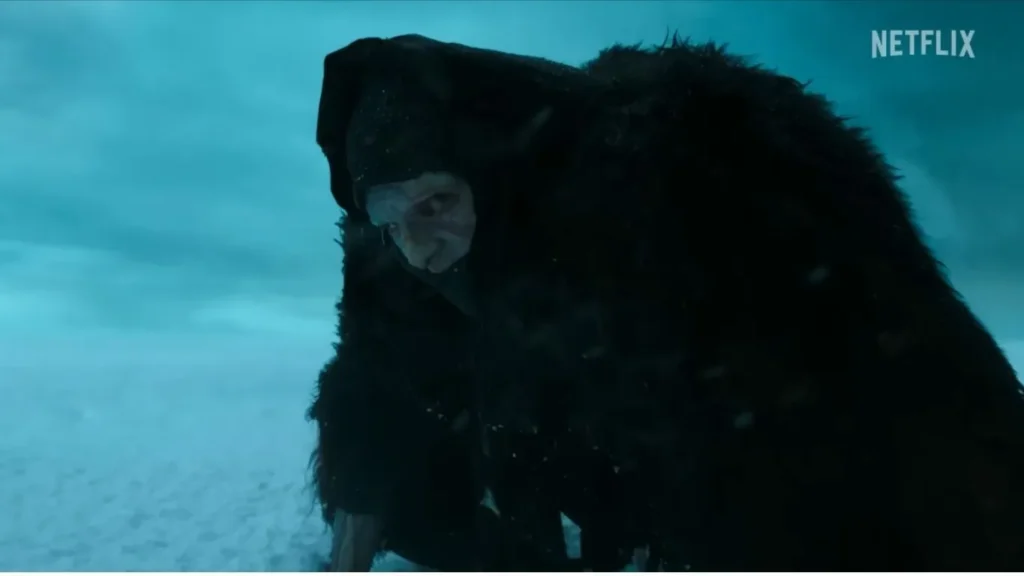
The ending sees the Creature mourning Victor’s death, expressing sorrow rather than vengeance. He chooses exile, walking into the frozen wilderness, symbolizing the loneliness of existence and the futility of creation without love.
Symbolism and Themes
The Duality of Man and Monster
Netflix captures Shelley’s core theme: the monster within us all. Victor and his creation mirror each other — both seek meaning, both destroy what they love, and both are prisoners of their desires.
The Price of Playing God
At its heart, Frankenstein is a moral warning. Netflix reinterprets this as a modern tale of AI, genetic engineering, and scientific overreach. The question is timeless — should we do everything we can, just because we can?
Modern Relevance
Frankenstein and AI Ethics
The film’s parallels to artificial intelligence are clear — humanity’s thirst to create intelligence and life is both inspiring and dangerous. Netflix subtly draws attention to how technology, like Victor’s creation, may evolve beyond our control.
Emotional Loneliness in a Digital World
Beyond science, Frankenstein explores emotional isolation — the creature’s longing mirrors modern alienation in a world more connected than ever, yet lonelier than before.
The Meaning Behind the Ending Scene
The Final Walk into the Ice
When the Creature walks into the frozen wasteland, it’s symbolic death — not physical, but emotional. He chooses solitude over revenge, suggesting redemption through suffering and acceptance.
Victor’s Legacy
Victor’s notebooks — his life’s work — remain behind, implying humanity will never stop chasing forbidden knowledge. It’s a chilling reminder that curiosity can outlive morality.
What the Ending Says About Humanity
The Eternal Cycle of Creation and Destruction
Netflix’s Frankenstein closes on an uncomfortable truth — humanity’s pursuit of perfection often births monsters. Whether it’s scientific, technological, or emotional, the line between creator and destroyer remains dangerously thin.
Key Takeaways
- The ending isn’t about death; it’s about understanding humanity’s limits.
- Victor’s downfall is symbolic of unchecked ambition.
- The Creature represents every being’s need for connection.
- Netflix’s adaptation bridges classic horror with modern moral dilemmas.
Conclusion
Netflix’s Frankenstein ends not with a roar, but a whisper — a haunting meditation on guilt, loneliness, and moral boundaries. It compels us to look inward, asking: who truly creates monsters — science, ambition, or the human heart? The film’s ending lingers long after the credits roll, urging reflection on what it means to be alive, to love, and to lose. Read more..
FAQs
Q1: What is the main message of Netflix’s Frankenstein?
A1: The film warns against the dangers of unchecked scientific ambition and explores the human need for love and empathy.
Q2: Why does the Creature walk into the ice at the end?
A2: The ice symbolizes emotional exile and eternal loneliness — his final act of accepting his tragic fate.
Q3: How is Netflix’s version different from the original novel?
A3: The adaptation modernizes the setting, emphasizing technology, AI ethics, and emotional depth rather than pure horror.
Q4: What happens to Victor Frankenstein?
A4: Victor dies haunted by guilt and obsession, realizing too late that his pursuit of power cost him everything.
Q5: What does the ending suggest about humanity?
A5: It suggests that creation without compassion leads to destruction — and that our desire to play God often makes us monsters ourselves.


Interesting read! Seeing platforms focus on RTP & volatility is a smart move. Data-driven gaming feels like the future. Thinking of trying a new site – is spinph8 download legit for Filipino players? Seems promising with those analytics!